
PROGRAMS
Mental Health

NAMI Basics CLASS
The NAMI Basics class is a six-week program for parents and caregivers of children with mental health issues. It covers understanding mental illness, coping strategies, communication skills, treatment options, and advocacy within healthcare and schools, while highlighting self-care. The class is taught by trained individuals with lived experience of mental illness in their own families.
Upcoming Classes: July 11 - Aug 15, 2026 & Sept 19 - Oct. 24, 2026

BOOK STUDY
Raising an Anxious Child (VIRTUAL)
The Learning Disabilities Association of Texas Book Study is designed to guide parents, caregivers, and educators through a deeper understanding of childhood anxiety and its impact on learning, behavior, and daily life. Using Raising an Anxious Child: A Parent and Educator’s Perspective, participants will explore real-life experiences, practical strategies, and actionable tools to better support children both at home and in school. The book study is led by author Rachel Krueger.

FAMILY SUPPORT GROUP (VIRTUAL)
This is a NAMI parent-led support group designed for caregivers of a minor child with a mental health condition and/or a learning disability. NAMI support groups follow a structured model, ensuring everyone can be heard and receive the support they need. This support group meets on the first Tuesday of each month virtually.
LEARNING DISABILITIES
WORKSHOPS FOR PARENTS & TEACHERS
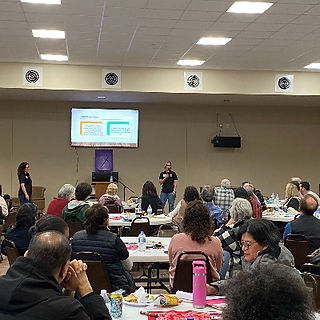
Learning Disabilities Association of Texas (LDATX) leads workshops for EPTSA families and teachers on the most common Specific Learning Disabilities (SLD) such as dyslexia, dyscalculia, dysgraphia and ADHD, debunking myths, promoting understanding, teaching about the federal laws that impact children with learning disabilities, and how to navigate the special education process.
2026 CLASSES FOR PARENTS & CAREGIVERS
Class descriptions listed below. All classes are FREE.
What to Do if Your Child Is Struggling?
This one hour virtual class guides parents and educators through identifying and addressing learning challenges in students. It emphasizes the importance of family-school partnerships and advocates for active parental involvement in a child's education. Key topics include recognizing initial signs of struggle, understanding research-based approaches to support, and navigating educational systems like RTI/MTSS. The session explores both parent and educator perspectives, aiming to foster collaborative communication and effective strategies. It provides practical advice for parent-teacher conferences, explores different support options such as tutoring versus interventions, and outlines the rights of parents to request evaluations. The presentation also offers resources for families and encourages proactive steps to advocate for children's needs, ensuring they receive appropriate support and achieve academic success.
Most Common Specific Learning Disabilities and ADHD
This one hour virtual class provides a comprehensive overview of the most common specific learning disabilities (SLDs) such as dyslexia, dyscalculia, dysgraphia, and ADHD, emphasizing their comorbidity and genetic links. It dispels myths about learning disabilities and ADHD, clarifying that these conditions are not due to poor teaching or lack of effort. The presentation will review remediation strategies for each SLD, such as multisensory instruction for dyslexia, occupational therapy for dysgraphia, and behavioral therapy for ADHD and concludes with resources for further information and support.
ARD Training for Parents & Caregivers
This one hour virtual class is designed to help parents and caregivers feel confident and prepared for their child’s Admission, Review, and Dismissal (ARD) meeting. Parents will learn what to expect before, during, and after the ARD, along with simple strategies to help you stay organized, ask questions, and confidently participate in the meeting. This session breaks down the process in easy-to-understand terms, so you don’t feel overwhelmed by educational language or fast-paced discussions. You’ll walk away with practical tools, helpful scripts, and a clear understanding of your role as an important member of your child’s ARD team. Whether you’re new to ARDs or have attended meetings before, this training will help you feel more prepared, more confident, and better equipped to advocate for your child.
What Happens After a Full Individual Evaluation?
This one hour virtual class guides participants through the process following a Full Individual Evaluation (FIE) for students. It emphasizes the importance of understanding the FIE's significance, planning effective Individualized Education Programs (IEPs), and collaborating with schools. The presentation highlights the parent's role as an equal team member, stressing the need to review the evaluation report and ask questions. Key steps include understanding procedural safeguards, report provisions, and second opinions. Despite potential administrative challenges, the right to a second opinion, or Independent Educational Evaluation (IEE), is discussed as a crucial step. Preparing for Eligibility ARD meetings, understanding Prior Written Notice, and actively participating in meetings are also covered.
IEP Success Binder for Parents & Caregivers
This one hour virtual class is designed to help parents and caregivers feel confident, organized, and prepared for every stage of the IEP process. Using the IEP Success Binder, participants will learn how to navigate special education with clarity and purpose—before, during, and after IEP (ARD) meetings. The training guides families through organizing important documents, understanding their child’s rights, and actively participating as equal members of the IEP team. Attendees will gain practical tools, step-by-step guidance, and real-world strategies to reduce stress and improve communication with schools.
Participants will learn how to:
-
Prepare effectively for IEP meetings (ARDs)
-
Use the binder to track goals, services, and progress
-
Understand key IEP components, accommodations, and supports
-
Ask the right questions and advocate with confidence
-
Stay organized and reduce overwhelm throughout the year
This training is especially helpful for parents who are new to the IEP process, as well as those who want a more structured, proactive approach to supporting their child’s success. By the end of the session, participants will leave with a clear plan and practical tools.
Mental Health & IEP Record Keeping: How to Become Your Child’s Historian
Caring for a child with learning disabilities and/or mental health conditions often means juggling evaluations, school meetings, medical appointments, behavior notes, and countless documents. It’s a lot — and most caregivers are left trying to piece everything together on their own.
This in-person one hour class empowers parents and caregivers to become confident, organized historians for their child. Participants will learn how to track important information, document patterns, and build a clear, comprehensive record that supports their child’s needs over time.
Through practical tools, real‑life examples, and guided activities, caregivers will leave with:
-
A simple system for organizing medical, educational, and behavioral information·
-
Strategies for documenting progress, challenges, and key observations·
-
Tips for preparing for ARD/IEP meetings, therapy sessions, and doctor visits·
-
Confidence in advocating for their child using accurate, organized information·
-
A personalized “historian toolkit” they can start using immediately
This workshop is designed to reduce overwhelm, strengthen advocacy, and help caregivers feel more in control of their child’s journey.
Strengthening Communications Across Your Child’s Support Team
Parents of children with learning disabilities and mental health conditions often find themselves acting as the bridge between home, school, and healthcare settings. When communication breaks down, important details get lost — and children don’t get the consistent support they deserve.
This one hour in-person class helps caregivers build effective, collaborative communication with educators, therapists, and healthcare providers. Participants will learn practical strategies for sharing information, asking the right questions, documenting concerns, and creating a unified support plan that keeps everyone aligned.
Caregivers will walk away with:
-
Tools for communicating clearly and confidently with teachers, counselors, and clinicians
-
Strategies for preparing for IEP/ARD meetings, therapy sessions, and medical appointments
-
Tips for organizing and sharing information so providers stay on the same page
-
Approaches for advocating respectfully while building strong, trusting relationships
-
A simple framework for coordinating care across multiple systems
This class is designed to help families feel heard, supported, and empowered as key partners in their child’s success.